Programming technique
Arithmetic, random numbers and conversion
Arithmetic expressions transform data. Random generation creates varied outcomes, while type conversion changes how a value is stored or interpreted.
Arithmetic operators
| Operator | Purpose | Example |
|---|---|---|
+ | Addition | price + tax |
- | Subtraction | balance - withdrawal |
* | Multiplication | hours * rate |
/ | Division | total / count |
% | Remainder | number % 2 |
| Operator | Purpose | Example |
|---|---|---|
+ | Addition | price + tax |
- | Subtraction | balance - withdrawal |
* | Multiplication | hours * rate |
/ | Decimal division | total / count |
// | Floor division | total // count |
% | Remainder | number % 2 |
Generate a random integer
Math.random() produces a decimal from 0.0 up to, but not including, 1.0. Scale it, convert it to an integer and then shift the range.
Import random and use random.randint(low, high) when both endpoints should be possible.
Math.random()
Produces a decimal from 0.0 up to, but not including, 1.0.
* sides
Stretches the range from 0.0 up to, but not including, the number of sides.
(int) ... + 1
Removes the decimal part, then shifts the final values to 1 through sides.
import random
Makes Python's random-number functions available.
randint(1, sides)
Can return both 1 and sides, plus every integer between them.
Test the endpoints
Run the program repeatedly and check that every result stays inside the intended range.
Convert between types
Casting a decimal to an integer removes the fractional part; it does not round. Use Math.round() when rounding is the intended operation.
int() removes the fractional part of a positive decimal; it does not round. Use round() when rounding is the intended operation.
Use brackets
Make the intended order of operations clear rather than relying on memory.
Watch integer division
When both operands are integers, Java produces an integer result.
Choose the division operator
/ produces a decimal result; // deliberately performs floor division.
Define the random range
Write down the smallest and largest possible value before testing the code.
Challenges Choose one
Choose a challenge that feels appropriate for you. Code heat is only a rough estimate, not a fixed level.
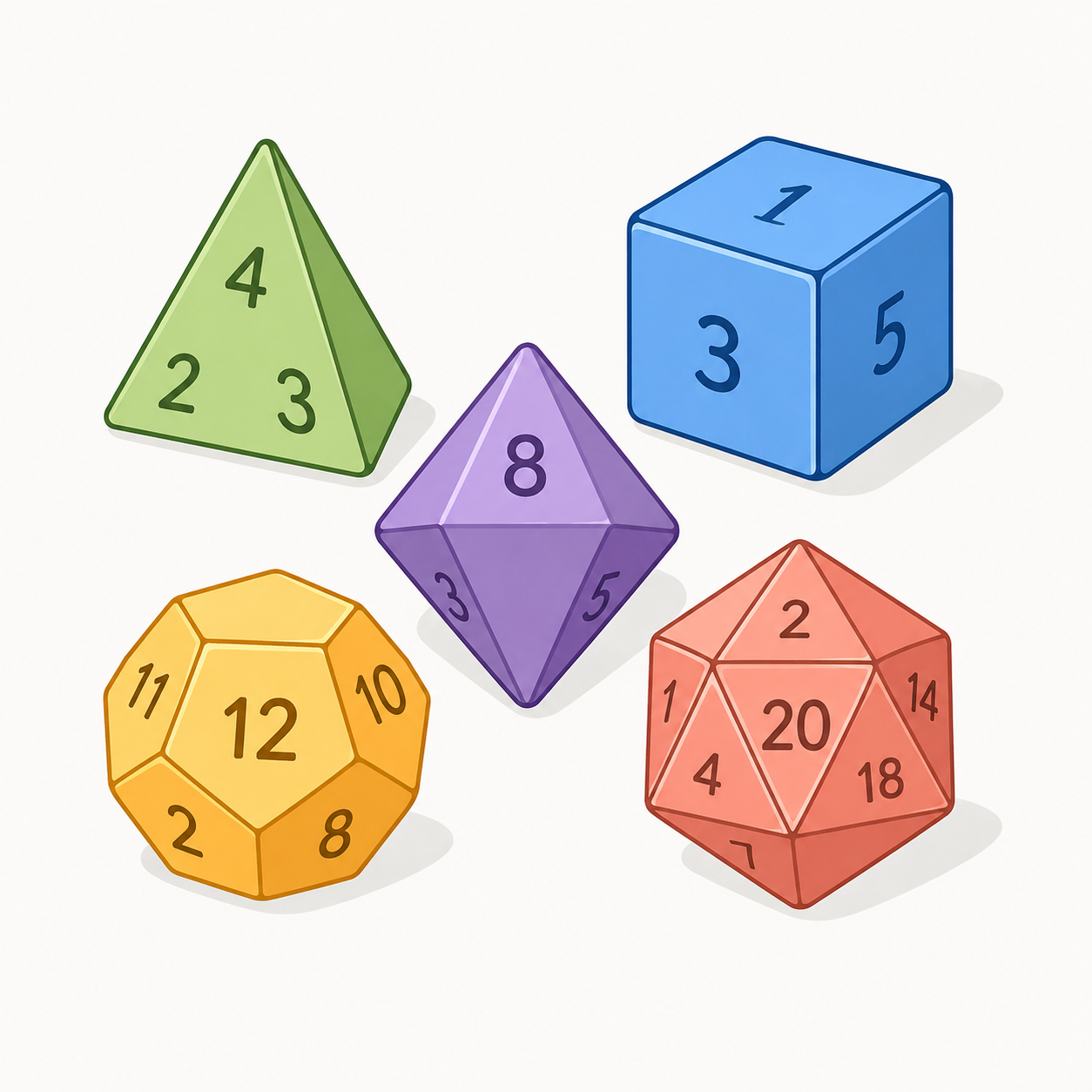
RPG Dice
SelectedAsk the user how many sides a die has. Generate and output a random whole number from 1 up to that number of sides. Test common RPG dice such as 4, 6, 8, 12 and 20 sides.
Exactly Divisible
SelectedAsk the user for two integers. Output whether the first number is exactly divisible by the second. When it is not, output the remainder. Prevent division by zero with a clear error message.
Month and Leap Year
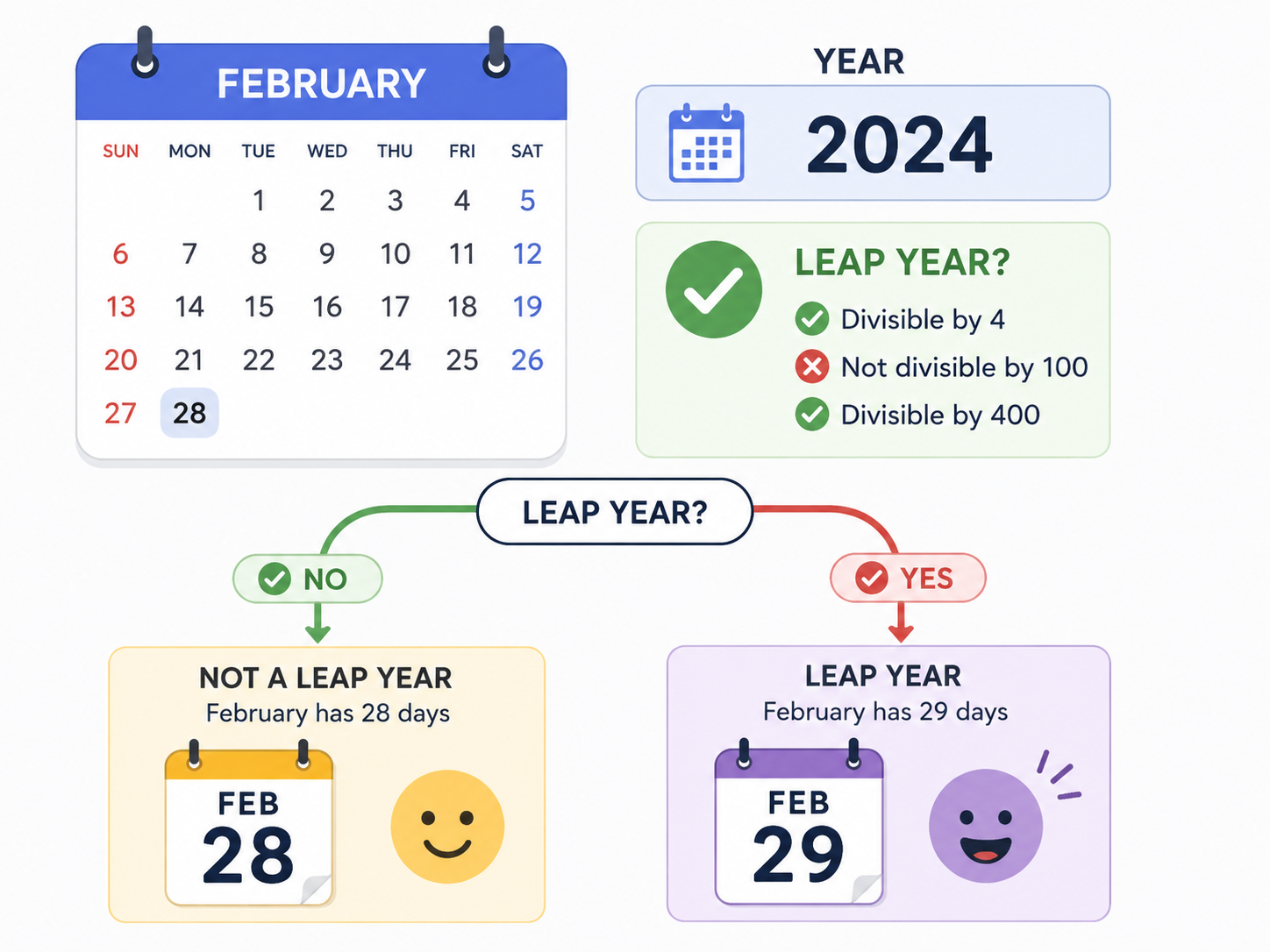
SelectedAsk for a month number from 1 to 12 and a year. Output the month name and number of days. February has 29 days in a leap year. Use the full leap-year rule: divisible by 400, or divisible by 4 but not by 100.
Balanced Dice Game
SelectedDesign a short dice game that uses at least two random values, arithmetic scoring and at least one special outcome. Explain the probability of each special outcome and run enough test games to decide whether the scoring appears balanced.
Selected challenge
This choice is shared with the portfolio setup page.
Create your challenge folder
Run this command before starting. It creates the correct empty folder inside your portfolio.
Complete the challenge
Write and test your own solution in the folder created above.
Optional scaffolded support
Use only as much support as you need. The templates organise the program but leave the important algorithm unfinished.
Submit for review
Run this when your program is complete. It creates the README, commits the folder and pushes it.